24 months analysis
The efficacy of Myopia has been evaluated in the first randomized, double-blind study carried out specifically in a European population.
Is Myopia just a refractive error that should be corrected with a single vision lens?
Standard negative lenses cause light to focus behind the peripheral retinal plane, stimulating the eye to elongate further and worsen the myopia over time.
By contrast, a lens with positive power at the periphery allows light to focus correctly on the retinal plane. MyoShield Lens features an advanced innovation that effectively slows down axial elongation with asymmetric positive defocus on the back surface of the lens, calibrated to the retina’s natural asymmetry. This helps to focus all light on the retinal plane, effectively combating ocular elongation growth and slowing down the progression of myopia.
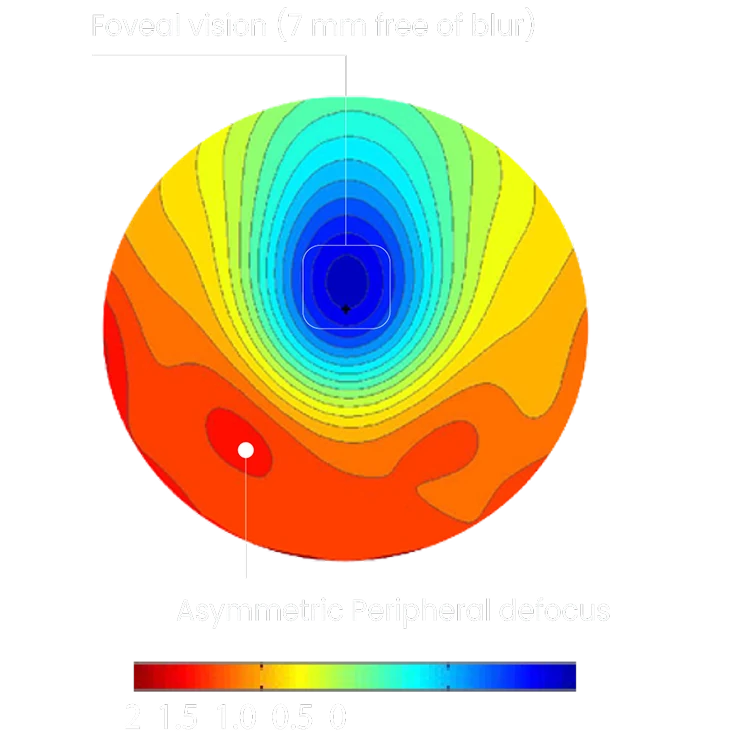

Slower progression of childhood myopia: reduces the growth of eye elongation

Perfect vision in the clear vision area

Enhanced comfort: similar to a regular SV lens

Superior aesthetics: treatment is undetectable on the lens surface, with no visible marks or lines
In a recent worldwide survey, eye care practitioners said that children as young as 6 years old with a refractive error of -0.50 to -1.00 are suitable candidates for myopia management eyeglass lenses.
Myopia begins to develop during school years and it has been demonstrated that its onset at early ages is a precursor for high myopia in future. Prompt treatment is crucial to limit the chances of its progression. The treatment should start as soon as the first symptoms of myopia appear.
Asian children experience faster myopia progression than European children, making Asian clinical evidence highly relevant for India.
The efficacy of Myopia has been evaluated in the first randomized, double-blind study carried out specifically in a European population.
of the children were satisfied with performance for distance, intermediate and near vision.
said MyoShield lenses provided excellent comfort.
reported good sharpness while wearing MyoShield lenses.
Myopia affects almost 30% of the world’s population.
3% of the world’s population is affected by pathologic Myopia.
Myopia is estimated to affect 50% of the world’s population.
High Myopia will affect 10% of the world’s population.
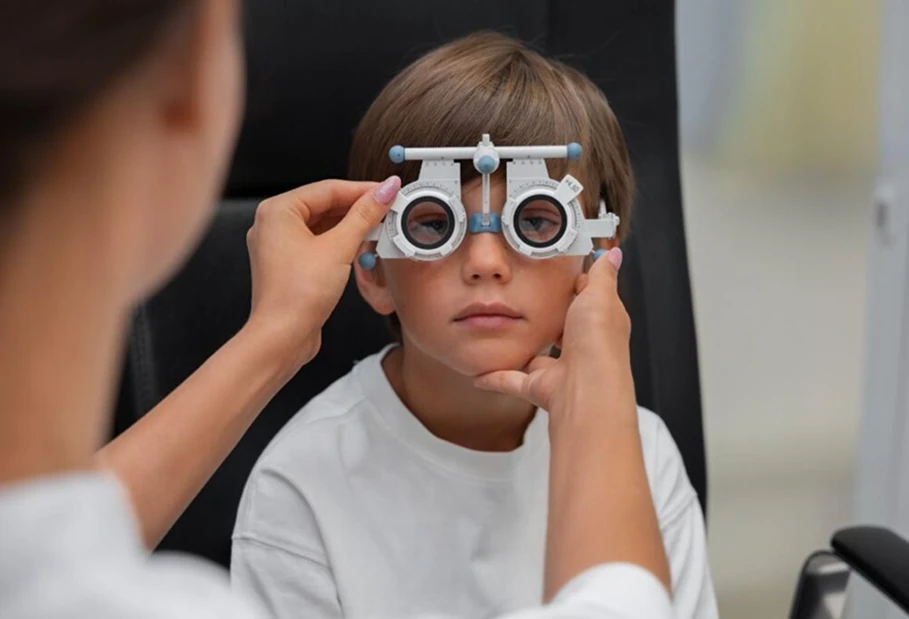
Age : Between 5-9 years old
Refractive error : Less plus refraction than expected for age
Family history of Myopia : At least one myopic patient
Time spent outdoors : Less than 2 hours per Day
Time spent on near work : More than 2 hours per day (after school)
Myopia expected to become one of the leading causes of permanent blindness in the world.
Scroll horizontally to compare all columns.
| MYOPIA LEVEL | Glaucoma | Cataract | Retinal detachment | Myopic maculopathy |
|---|---|---|---|---|
| -1.00D to -3.00D | 2.3 X higher | 2.1 X higher | 3.1 X higher | 44.3 X higher |
| -3.00D to -5.00D | 3.3 X higher | 3.1 X higher | 9 X higher | 9.7 X higher |
| -5.00D to -7.00D | 3.3 X higher | 5.5 X higher | 21.5 X higher | 40.6 X higher |
| Higher than -7.00D | - | - | 44.3 X higher | 126.8 X higher |
Slowing Myopia progression by 1 diopter during childhood should reduce the risk to develop myopic maculopathy by 40%.
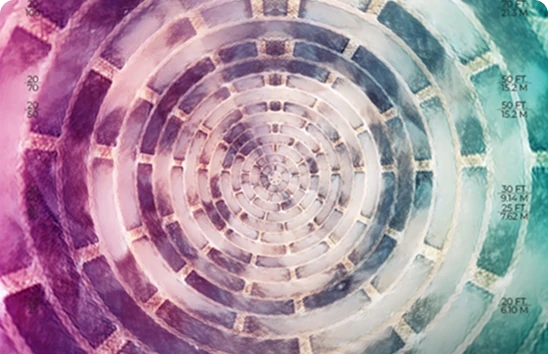
Myo Free-Form Technology distributes progressive positive power at the Periphery, which is calibrated to the natural symmetry of the retina.
Free-form technology ensures the ability to manufacture with any desired material, eliminating the need for special semi-finished products.
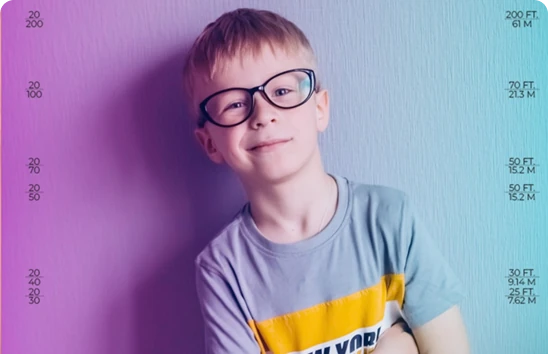
Thanks to the specific geometry of the lens with progressive power, the lens presents a natural and aesthetic appearance and is thinner than a standard lens.