A progressive lens brings distance, intermediate and near vision into one lens. A useful choice starts with how the wearer uses those distances.
One lens, several viewing distances
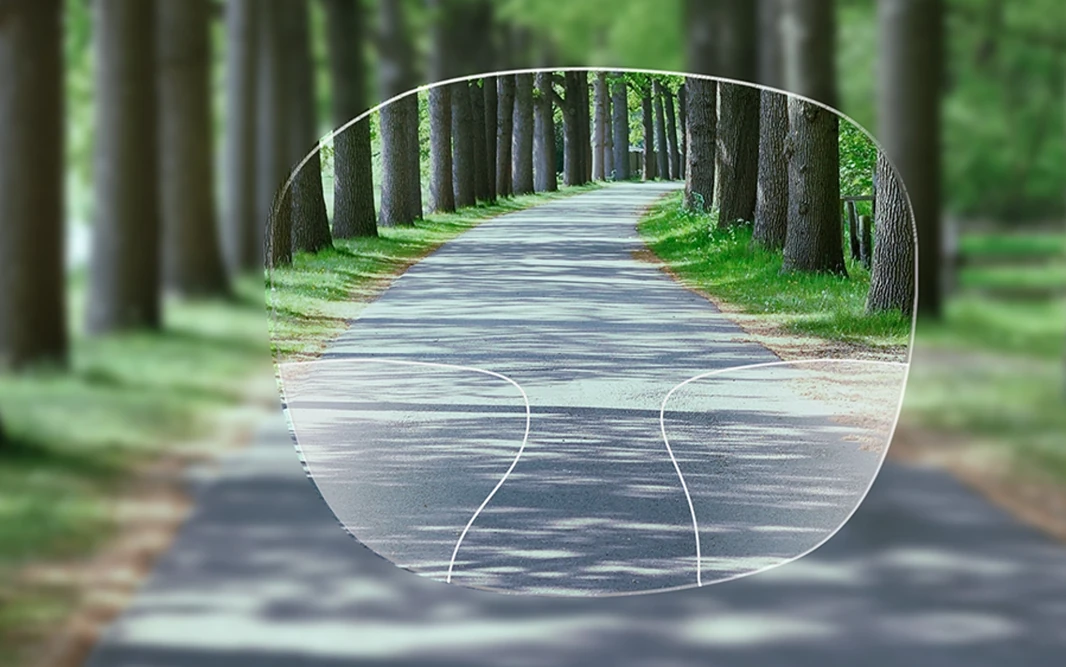
A progressive lens changes power across its surface. Different areas support distance, intermediate and near tasks without a visible line between them. That basic idea is shared; the way each design arranges those areas can differ.
Think about an ordinary day: looking down a road, across a room, at a screen and into a book. Which transitions happen often? Which tasks matter most? Those answers help an optician decide what to investigate next.
Three distances. One considered design.
Roads, signs and people farther away.
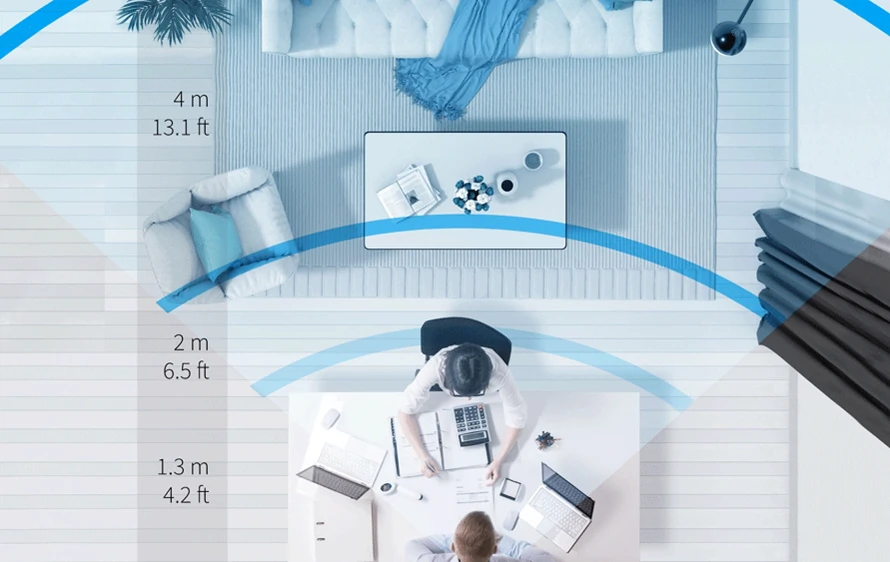
Screens, dashboards and the space across a room.
Books, phones and fine details close to hand.
The frame and fit are part of the design
The size and position of a frame affect where the eye meets each viewing area. The professional also checks the prescription and the fitting measurements required for the chosen design. Some options use additional lifestyle or visual-preference inputs.
A named technology should make clear which information it uses and what part of the lens it shapes. More inputs are useful when they serve an actual visual need, not simply because the list is longer.
How VisualEyes approaches the choice
VisuLuxe offers a range of progressive designs. Zircon Exclusive is another free-form progressive choice. iConiQ introduces a more individual conversation around lifestyle, fitting and visual preferences; its technology names include Vision ID, FluxCurve and High Definition Gradient Optics.
The precise inputs and available variants should be checked with the VisualEyes team. Your optician can then connect the design to the prescription, frame and visual priorities instead of relying on a generic “best lens” ranking.
Questions worth asking
- Which distances matter most during my day?
- What fitting measurements does this design need?
- What should I expect while getting used to it?